Where to Buy
As an Amazon Associate I earn from qualifying purchases. Thanks for supporting the project.
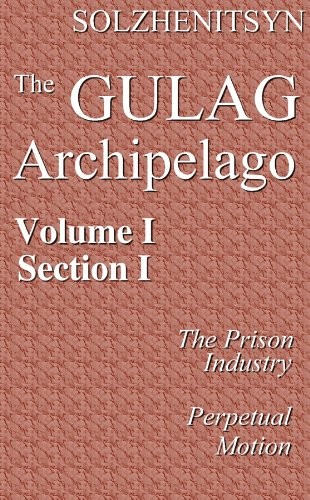
The Gulag Archipelago
9Aleksandr Solzhenitsyn
Ranked 63rd of 350 in the Great Books of Mankind catalog, scored 9/10. How we rank
Solzhenitsyn's three-volume documentary indictment of the Soviet camp system, the book whose publication in 1973 ended Western intellectual sympathy with communism.
Get this book
ISBN 9780786103324Summary & Critical Assessment (Score: 9/10)
Aleksandr Solzhenitsyn, awarded the Nobel Prize in 1970, produced in The Gulag Archipelago what may be the most consequential work of nonfiction in the twentieth century, a massive documentary expose of the Soviet forced-labor camp system. Drawing on the testimony of over two hundred survivors as well as his own eight years of imprisonment, Solzhenitsyn constructed a devastating indictment that fundamentally altered the world's understanding of the Soviet regime. The work's moral force transcends its documentary function, standing as a testament to the power of individual witness against the machinery of totalitarian erasure.
The manuscript was smuggled out of the Soviet Union and published in Paris in 1973, an act of exceptional courage that led to Solzhenitsyn's arrest and forced exile in 1974. Its revelations devastated the moral authority of the Soviet Union among Western intellectuals who had previously been sympathetic to or equivocal about the Communist project. The Gulag Archipelago remains essential reading for understanding the twentieth century's confrontation with totalitarianism and stands as a powerful arguments ever written for the dignity of the individual against the state.
1973
Solzhenitsyn's Gulag Archipelago devastates Soviet moral authority. Pynchon's Gravity's Rainbow is the supreme postmodern novel. The Yom Kippur War triggers the oil crisis. Chile's Allende overthrown. Watergate engulfs Nixon.
Awards & Adaptations
NOBEL 1970. Most consequential 20th c. non-fiction.
Recommended Edition
T.P. Whitney (1974)


