Where to Buy
As an Amazon Associate I earn from qualifying purchases. Thanks for supporting the project.
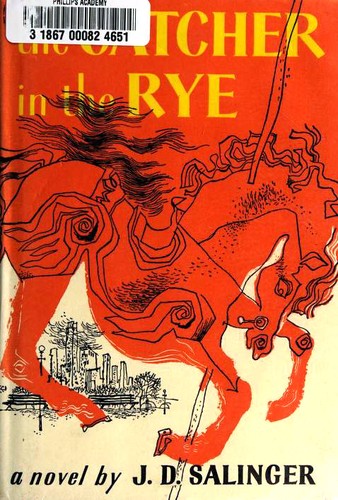
The Catcher in the Rye
8J.D. Salinger
Ranked 182nd of 350 in the Great Books of Mankind catalog, scored 8/10. How we rank
Salinger's 1951 novel, Holden Caulfield's voice of adolescent disillusionment, the book that has shaped how American teenagers sound in fiction for seventy years.
Get this book
ISBN 9788379855025Summary & Critical Assessment (Score: 8/10)
The Catcher in the Rye gave American literature one of its most iconic and divisive characters in Holden Caulfield, whose voice of adolescent alienation, disillusionment, and yearning for authenticity has spoken to generations of young readers. J.D. Salinger captured the restless interior life of a teenager at odds with the adult world with such precision that the novel became both a cultural touchstone and a lightning rod for controversy. Its deceptively simple style belies a deeply crafted exploration of grief, innocence, and the painful passage into adulthood.
Appearing in 1951 amid the conformist pressures of post-war American society, The Catcher in the Rye articulated a growing undercurrent of dissatisfaction with suburban respectability and institutional authority. The novel's frank language and rebellious spirit made it a frequently banned and most beloved books in the American canon, anticipating the countercultural upheavals of the following decade.
Post-War America, 1951-1952
America in the early Cold War: conformity, suburbs, McCarthyism. Salinger voices alienation. Ellison confronts Black invisibility. Hemingway and Steinbeck publish major works. Beckett invents absurdist theater. Eisenhower is elected. Television enters homes.
Awards & Adaptations
Most banned/beloved American novel.
Recommended Edition
First ed. (1951)