Where to Buy
As an Amazon Associate I earn from qualifying purchases. Thanks for supporting the project.
Read / Listen Free
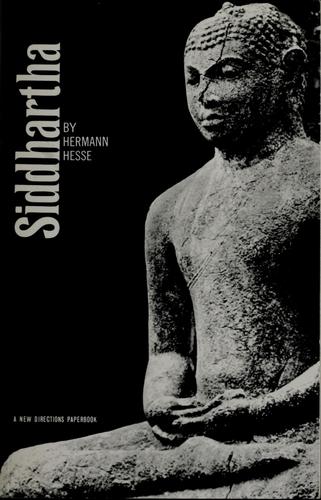
Siddhartha
7.5Hermann Hesse
Ranked 223rd of 350 in the Great Books of Mankind catalog, scored 7.5/10. How we rank
Hesse's 1922 parable of a young Brahmin's enlightenment, the most-read Western novel of Eastern philosophy and a countercultural classic of the 1960s.
Get this book
ISBN 9780141189574Public-domain editions also available free, see below.
Summary & Critical Assessment (Score: 7.5/10)
Hermann Hesse's lyrical tale of a young Brahmin's quest for enlightenment bridges Eastern philosophy and Western narrative tradition, earning lasting readership across cultures. Awarded the Nobel Prize in 1946, Hesse became a countercultural icon in the 1960s, with Siddhartha serving as a touchstone for readers drawn to spiritual seeking beyond institutional religion.
Emerging during the post-First World War period of intense spiritual questioning in Europe, Siddhartha reflects the widespread disenchantment with Western materialism and the growing fascination with Indian and Buddhist thought. The novel's meditative prose and rejection of dogmatic paths resonated powerfully with successive generations searching for meaning outside conventional frameworks.
1922: Modernism's Annus Mirabilis
The greatest year in literary modernism. Joyce publishes Ulysses, immediately banned. Eliot publishes The Waste Land. Hesse publishes Siddhartha. Undset begins Kristin Lavransdatter. Mussolini marches on Rome. The BBC begins. The Soviet Union is established. Howard Carter opens Tutankhamun's tomb.
Awards & Adaptations
NOBEL 1946. Countercultural icon.
Recommended Edition
Hilda Rosner (1951)


