Where to Buy
As an Amazon Associate I earn from qualifying purchases. Thanks for supporting the project.
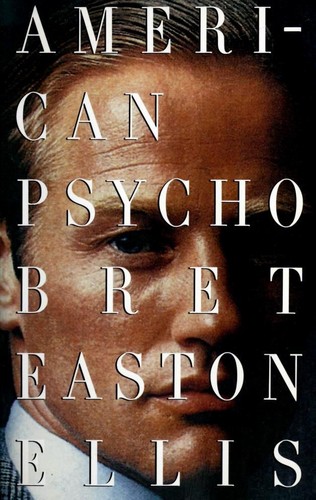
American Psycho
7Bret Easton Ellis
Ranked 287th of 350 in the Great Books of Mankind catalog, scored 7/10. How we rank
Ellis's 1991 novel, Patrick Bateman's Wall Street serial killings as a parable of 1980s consumerism; the most controversial American satire of its era.
Get this book
ISBN 9781529077155Summary & Critical Assessment (Score: 7/10)
American Psycho stands as a controversial and incisive satires of late twentieth-century American culture, using the figure of Patrick Bateman, Wall Street investment banker and serial killer, to expose the moral vacuum at the heart of 1980s consumerism. Bret Easton Ellis blurs the line between the violence of capitalist acquisition and literal homicidal violence until the two become indistinguishable, challenging readers to confront the dehumanizing logic of a society defined by surfaces, brands, and status. The novel's deliberately flat, catalog-obsessed prose mirrors the emptiness it depicts, making form and content inseparable.
The novel captures the excesses of the Reagan era, when deregulated Wall Street culture celebrated wealth accumulation as the highest social value and conspicuous consumption became a defining American ethos. Its publication provoked fierce debate about the limits of literary representation, but its portrait of consumerism as a form of psychopathy has only grown more resonant in the decades since, as the culture it satirized has intensified rather than receded.
United States, 1991
The Soviet Union dissolves on Christmas Day. The Gulf War demonstrates American military supremacy. Francis Fukuyama declares the end of history. Ellis publishes American Psycho, a savage satire of Wall Street narcissism and consumer culture in Reagan's America, so graphic that Simon & Schuster drops it before publication. The internet is beginning to reshape commerce and communication. American capitalism appears triumphant, unchallenged.
Awards & Adaptations
Christian Bale film (2000). Cult classic.
Recommended Edition
First ed. (1991)